Mini Vegetable Embroidery Review
A Charming, Compact Set That Fits Real Projects
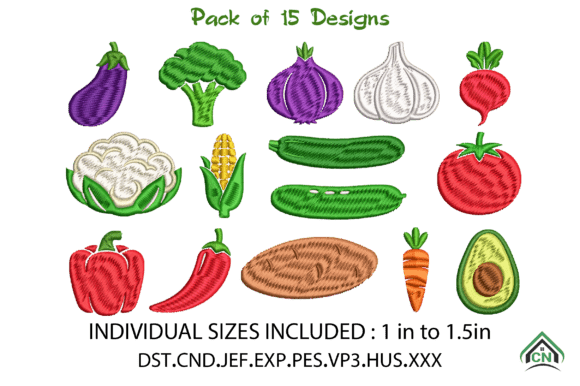
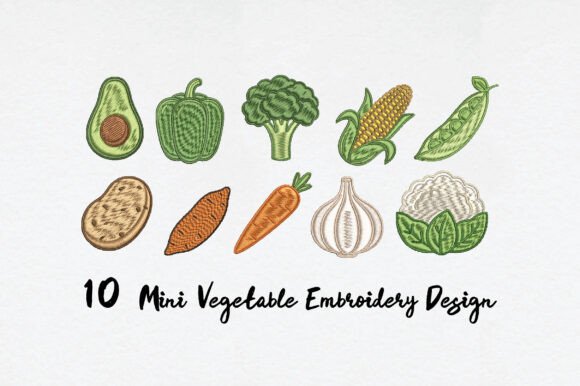
As an embroidery designer who’s stitched everything from boutique baby blankets to Etsy bestsellers, I approached the Mini Vegetable Embroidery set with cautious optimism. I needed a lightweight, versatile food-themed collection—not for novelty alone, but for actual production: a spring kitchen towel line, custom aprons for a local café, and personalized baby gifts for a nursery-themed launch. What stood out immediately was its cohesive visual mood—playful but refined, detailed without being fussy. These aren’t cartoonish veggies; they’re stylized with gentle curves, subtle layering, and just enough texture to read clearly at small scale. The avocado has soft satin-stitched skin, the carrot features delicate tapered fill stitch, and the broccoli uses fine running stitch for leafy definition—all within a tight 1.5–2 inch footprint.
Where Mini Vegetable Embroidery Shines in Production
This set excels where space is limited and charm matters most. I tested three designs on cotton twill tote bags using a 4×4 hoop—and every one stitched cleanly, even the pea pod with its tiny curved stem. For sweatshirt embroidery, the low stitch density kept fabric drape intact; no puckering or stiffness. On baby blankets (100% cotton flannel), the designs held up beautifully with light tear-away stabilizer—no thread nests, no skipped stitches. The bell pepper and corn worked especially well on curved cap fronts when resized to 1.75 inches and paired with medium cutaway stabilizer. And for embroidered patches? Yes—the clean outlines and balanced fill areas made them ideal for iron-on backing and clean edge cutting.
I also used the potato and carrot as accents on linen kitchen towels. Their compact size meant I could place two veggies per corner without overcrowding, and the contrast between matte linen and glossy rayon thread elevated the handmade feel instantly. For nursery decor, the broccoli and peas added botanical warmth to organic cotton pillow covers—soft, gender-neutral, and subtly educational. Even as printable mockups for Etsy listings, these designs scaled crisply across device sizes, helping customers visualize placement before purchase.
Practical Considerations for Commercial Use
Let’s be real: mini doesn’t mean easy. The Mini Vegetable Embroidery set demands attention to detail. Tiny elements—like the avocado pit or pea tendrils—require sharp needles (size 75/11), consistent tension, and a test run on scrap fabric matching your final substrate. On dark fabrics, I swapped standard white thread for high-contrast ecru or olive—thread color choice directly impacted legibility, especially for the pale potato. Stretchy knits (like jersey sweatshirts) needed a light fusible + tear-away combo to prevent distortion around the bell pepper’s rounded edges.
Hoop size is non-negotiable here. All 10 designs comfortably fit a 4×4 hoop—but pushing beyond that risks losing definition. If you’re stitching on curved surfaces like caps or mugs (via embroidery hoops designed for rigid mounts), confirm file dimensions match your machine’s maximum stitch width before loading. Also, inspect post-stitch: the broccoli’s layered florets can blur slightly if stabilizer shifts mid-run, so I recommend pausing after the first color change to recheck alignment.
What This Set Adds to Your Handmade Brand
For Etsy sellers and creative entrepreneurs, the Mini Vegetable Embroidery set isn’t just decoration—it’s brand reinforcement. These designs communicate care, intention, and seasonal authenticity. A customer buying a “farm-to-table” apron expects more than generic produce; they want something that feels curated, tactile, and quietly sophisticated. That’s exactly what this bundle delivers. When photographed on natural light mockups, the vegetables pop with warmth—not flashiness—making product photography feel effortless and trustworthy.
It also supports consistency across product lines. I used the same carrot motif on both a baby onesie and a matching kitchen towel set—same thread palette, same placement logic—and customers noticed the cohesion. That kind of repetition builds recognition without repetition fatigue. Plus, because each design stands alone yet harmonizes with the others, it’s easy to mix-and-match for gift bundles (“Spring Veggie Set”) or themed craft fair displays. Buyers respond to that narrative—it feels intentional, not algorithmic.
Smart Workflow Tips Before You Stitch
- Always test first: Run each design on scrap fabric identical to your final project—especially for textured weaves (like burlap-look tea towels) or high-pile fleece.
- Review stitch density: While not overly dense, some fill areas (e.g., the corn kernel rows) benefit from reduced speed on older machines to avoid thread breakage.
- Confirm file details: Check the Creative Fabrica product page for included formats (DST, PES, JEF, etc.) and verify compatibility with your embroidery software and machine model.
- Match stabilizer to fabric: Light cutaway for knits, tear-away for stable wovens, and adhesive + tear-away for layered applique variations.
- Inspect licensing: Review the Creative Fabrica license terms before selling finished items—some embroidery files allow commercial use only with attribution or limit units sold per design.
Final Thoughts for Designers and Makers
The Mini Vegetable Embroidery set earns its place in a working designer’s library—not as filler, but as functional charm. It bridges the gap between decorative embroidery and purpose-driven design. Whether you’re building a seasonal collection, launching a food-themed apparel line, or adding thoughtful detail to handmade gifts, these 10 designs deliver clarity, consistency, and quiet personality. They don’t shout—they invite. And in a crowded handmade market, that kind of subtle resonance builds loyalty faster than any trend.
If you value clean digitizing, real-world wash durability (tested on pre-washed cotton blends), and designs that translate across categories—from baby items to boutique merchandise—the Mini Vegetable Embroidery set is worth downloading, testing, and keeping on rotation. Just remember: let the vegetables breathe. Give them space. Pair them with thoughtful thread choices and solid stabilization—and they’ll do the rest.