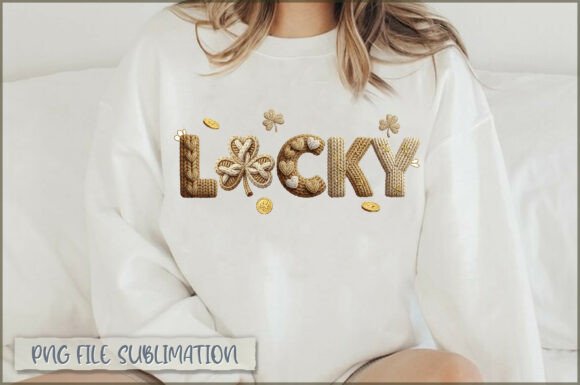
St. Patricks Lucky Clover Embroidery PNG
First Impression: Festive, Preppy & Handmade-Charm Ready
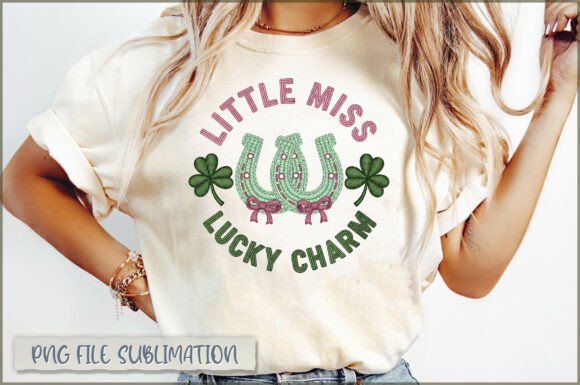
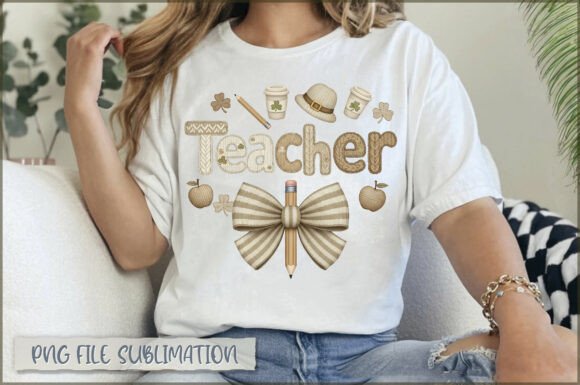
As an embroidery designer who’s prepped over 200 craft fair booths—from snowy holiday markets to sun-drenched spring fairs—I opened St. Patricks Lucky Clover Embroidery PNG expecting charm, not clutter. And it delivered. The title alone signals clear intent: this isn’t a generic shamrock—it’s “Preppy Faux Yarn” with “Lantch Hook Yarn Faux Crochet styles.” That tells me right away: it’s designed to *look handmade*, even before a single stitch hits fabric. It feels festive but grounded—not cartoonish, not overly ornate—just joyful, approachable, and quietly confident. For buyers browsing a crowded aisle, that balance is gold.
Where It Shines on Craft Fair Products
Tote bags: A standout. The clover reads cleanly at 4–5 inches wide—large enough to catch the eye from six feet away, small enough to leave room for branding or complementary text. On natural canvas or oat-colored linen, the faux-yarn texture pops without competing.
Aprons and tea towels: This design thrives in functional spaces. On a chef-style apron pocket or centered on a flour-sack tea towel, it adds warmth without overwhelming utility. Its rounded, soft-edged clover shape reads as friendly—not stiff or formal—making it ideal for kitchen-focused handmade products.
Patches and pouches: As an embroidered patch (heat-seal or sew-on), St. Patricks Lucky Clover Embroidery PNG holds up beautifully at 2.5–3 inches. Its faux-crochet outlines give dimension, helping it stand out against denim, corduroy, or vegan leather pouches. Buyers love tactile contrast—and this design delivers it visually, even before touch.
Caps and pillow covers: Use caution here. The clover’s open negative space works well on flat surfaces, but on curved cap fronts or gathered pillow seams, fine details may compress or blur. Stick to center-front placement and avoid stretching the design beyond its native proportions.
What Makes It Sell—Beyond the Holiday
This isn’t just a March-only asset. Because it leans into “preppy” and “faux yarn” aesthetics—not leprechaun hats or glitter bombs—it bridges St. Patrick’s Day with broader cottagecore, farmhouse, and modern handmade trends. Etsy sellers report strong repeat interest in designs that feel seasonal *and* shelf-stable. St. Patricks Lucky Clover Embroidery PNG fits that sweet spot: customers buy it for the holiday, then keep it in their design library for spring launches, baby showers (“luck of the Irish”), or boutique gift sets.
For booth display, it strengthens visual rhythm. Pair it with muted greens, cream thread, and raw-edge hems—and suddenly your table reads cohesive, intentional, and premium. No shouting. Just quiet confidence.
Production Realities: What You Must Test Before Batch Runs
Don’t skip the mockup step—even if you’re short on time. Here’s why:
- Stitch density matters: Faux-yarn and crochet-style effects often layer satin stitches or dense fill areas. Run a test on your target fabric—especially textured tea towels or thick twill aprons—to confirm no puckering or thread breakage.
- Small details fade fast: Those delicate “hook” loops in the faux-crochet style? They soften below 2 inches. Avoid using St. Patricks Lucky Clover Embroidery PNG as a tiny accent on collar tabs or keychains unless you’ve verified clarity on your machine.
- Dark fabric demands contrast: On navy, charcoal, or black fabrics, ensure your thread colors lift the design—not disappear into the background. A light mint or creamy white works better than pale yellow for readability.
- Hoop size & stabilizer aren’t optional: This is a graphic-heavy Illustrations category file—not a simple outline. Confirm your hoop comfortably contains the full design with ½-inch margin. Use medium-weight cutaway stabilizer for woven fabrics; tear-away for stable knits.
Online & Digital Workflow Wins
As a digital embroidery file, St. Patricks Lucky Clover Embroidery PNG performs exceptionally well for Etsy sellers and small shop owners building printable mockups. Its clean edges and consistent line weight translate crisply in PNG format—no jagged anti-aliasing, no stray pixels. That means faster, more trustworthy product photos. Pair it with a neutral lifestyle shot (e.g., embroidered tote resting on a wooden market table), and your listing gains instant credibility.
It also scales smartly across platforms: use the full-size version for banner graphics, crop a single clover leaf for social media story highlights, or extract the stem for minimalist packaging accents. As a Graphics asset, it’s flexible—not fragile.
Final Designer Notes: Respect the Details, Honor the Craft
Before cutting your first production run:
- Test the St. Patricks Lucky Clover Embroidery PNG on scrap fabric matching your final product’s weight and weave.
- Check thread contrast under both daylight and warm booth lighting—what looks vibrant in your studio may mute under tent lights.
- Review spacing between clover leaves—tight gaps can vanish in dense stitching or on low-thread-count cotton.
- Confirm commercial licensing terms. Since it’s labeled for sublimation and embroidery use, verify whether finished product resale is permitted (many digital embroidery files require extended licenses for physical goods).
- Create at least one real-world mockup—embroidered, photographed, and styled—not just a digital preview. Your eyes lie less than your camera.
Bottom line? St. Patricks Lucky Clover Embroidery PNG is a thoughtful, market-aware design—not just another holiday clipart drop. It respects the handmade ethos while delivering practical versatility. For craft fair sellers juggling speed, quality, and charm, it’s the kind of embroidery file that earns repeat booth visitors, photo tags, and “Where’d you get that?” moments—all without needing a rainbow at the end.