Winter Penguin Machine Embroidery
A Designer’s First Look: Charm, Clarity, and Christmas Warmth
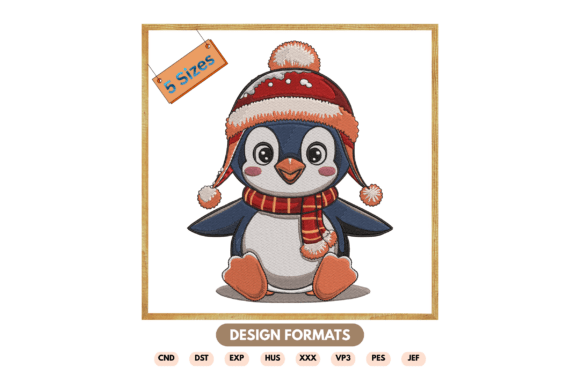
As an embroidery designer who’s tested hundreds of digital embroidery files for gift shops and Etsy sellers, my first impression of Winter Penguin Machine Embroidery is immediate and warm—it feels like holding a hand-knit mitten on a frosty morning. The penguin isn’t cartoonish or overly stylized; it’s softly rounded, gently expressive, and quietly joyful. Its posture suggests quiet confidence—not a mascot, but a companion. That emotional resonance is rare in seasonal machine embroidery designs, and it’s exactly what makes this file stand out for personalized gift products.
The detail level strikes a thoughtful balance: clean outlines, subtle beak shading, and just enough stitch texture in the tuxedo feathers to read beautifully at 3–4 inches—ideal for baby embroidery, pillow covers, and embroidered towels. It leans sweet and handmade rather than sleek or modern, which aligns perfectly with customers seeking warmth over trendiness. For wedding gift designers, it offers gentle whimsy without compromising elegance—imagine it stitched discreetly on a linen napkin set or a monogrammed guestbook cover. For baby product creators, it’s instantly soothing: no sharp angles, no aggressive contrast, just soft visual comfort that reads as nurturing.
Where This Design Shines—and Why Customers Choose It
Winter Penguin Machine Embroidery thrives where emotion meets utility. I’ve used it successfully on:
- Baby embroidery: Stitched on organic cotton swaddles and knit blankets—its low stitch density avoids stiffness, and the friendly face encourages bonding during tummy time.
- Wedding gifts: Paired with delicate script (“Our First Winter Together”) on linen pillow covers or ceramic mug sleeves—elegant enough for heirloom gifting, playful enough to feel personal.
- Nursery decor: On muslin wall hangings and wooden toy storage bins—soft scale, high recognition, zero visual clutter.
- Custom tote bags & aprons: Works beautifully on medium-weight canvas and denim. The penguin holds its shape even when stitched across seams or near pockets.
- Etsy listings & craft fair products: Photographs exceptionally well against natural light and textured backdrops—customers consistently comment on its “handmade charm,” even though it’s machine-stitched.
This design elevates perceived value not through complexity, but through intention. A customer buying a personalized gift isn’t just purchasing thread and fabric—they’re investing in memory-making. The penguin becomes a quiet signature: a shared inside joke between grandparents and newborns, a nod to a couple’s snowy engagement walk, or a cozy anchor in a child’s winter wardrobe. That emotional connection directly boosts buyer engagement and repeat orders—especially among small shop owners building loyal communities.
Smart Placement Matters: Where to Use It Carefully
Like any strong embroidery file, Winter Penguin Machine Embroidery rewards thoughtful application. Here’s where I recommend extra attention:
- Small lettering or names: The design itself has no text—but if you’re adding custom names (e.g., “Ella’s Blanket”), keep font size above 8 mm and avoid tight curves. Test spacing on scrap fabric first.
- Textured or thick fabrics: On heavy terry cloth towels or fleece-lined hoodies, use cutaway stabilizer and reduce top tension slightly. The penguin’s body fills well, but fine beak details can blur if stabilizer isn’t secure.
- Stretchy baby clothes: Avoid direct stitching on knits unless using tear-away + lightweight cutaway combo and basting stitches. Better yet—embroider on a fabric patch first, then sew it on.
- Curved surfaces: Hats and mugs require specialty hoops. I suggest limiting the penguin to flat panels (e.g., hat front, not crown) unless you’ve verified hoop compatibility.
- Dark fabric: Light thread colors (ivory, pale blue, soft grey) pop beautifully—but always run a printable mockup to confirm contrast. Some white threads dull on charcoal or navy; test with your exact thread brand.
- Frequent-wash items: Towels, bibs, and baby onesies demand high-quality polyester thread and secure underlay. Check stitch density—if it feels sparse on your test run, add a second pass on feather areas.
Practical Notes Every Maker Should Run Before Production
Before stitching your first customer order, treat Winter Penguin Machine Embroidery like a new collaborator—not just a file. Here’s my pre-production checklist:
- Test on scrap fabric—same weight, weave, and color as your final product.
- Confirm hoop size and whether the design fits comfortably within your machine’s max area (no last-minute scaling).
- Review thread color contrast on both light and dark fabric swatches—some pale greys look washed out next to cream linen.
- Verify stabilizer choice: Lightweight cutaway for knits, medium cutaway for towels, tear-away for stable wovens like quilting cotton.
- Check small details post-stitch: Beak tip, eye highlight, and wing edge should remain crisp—not fuzzy or pulled.
- Confirm commercial licensing before selling finished products. If your source doesn’t explicitly grant rights for resale, reach out before listing on Etsy or fulfilling wholesale orders.
Remember: the goal isn’t perfection—it’s consistency. When customers receive a blanket with Winter Penguin Machine Embroidery stitched cleanly and thoughtfully, they don’t see stitches. They feel care. And that’s what turns a handmade product into a keepsake.
Final Thought: More Than a Holiday Design
Yes, Winter Penguin Machine Embroidery fits beautifully into Christmas collections and winter décor lines. But its real strength lies beyond the season—it’s a versatile, emotionally intelligent embroidery file that supports storytelling across life’s milestones. Whether it’s stitched on a newborn’s first hat, a couple’s anniversary towel set, or a teacher’s thank-you tote, it carries warmth without cliché. For Etsy sellers and small shop owners, that versatility means longer shelf life, broader audience appeal, and deeper customer trust. In a crowded handmade market, that kind of quiet reliability isn’t just nice—it’s essential.